Williamston, North Carolina, values its agricultural heritage but faces telemarketing challenges from out-of-state firms. The state's Do Not Call law protects residents, with decreasing complaints since implementation. Automated calls pose new issues. Key takeaways for telemarketers: obtain explicit consent, respect privacy, and use alternative marketing. Residents should register on the state list, file complaints against offending firms, and educate themselves on the law to protect their privacy.
Williamston, nestled in Martin County, North Carolina, is renowned for its rich agricultural heritage. This vibrant community, however, faces challenges with the proliferation of telemarketing calls, particularly from law firms. The Do Not Call law in NC offers some protection, but it’s not foolproof. This article delves into the intricate web of Williamston’s agricultural community and the specific telemarketing laws that govern it. We aim to provide a comprehensive guide for residents, ensuring they understand their rights while offering practical insights to mitigate unwanted calls, fostering a harmonious balance between local businesses and consumers.
Understanding Williamston's Agricultural Heritage
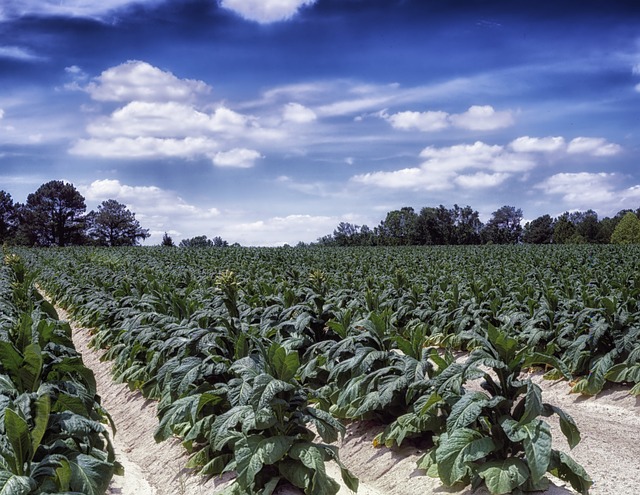
Williamston, nestled in Martin County, North Carolina, boasts a rich agricultural heritage that has shaped its character and community. This tight-knit town, with its rolling hills and fertile landscapes, has long been a hub for farming and rural life. Historically, the area’s abundant resources supported a vibrant agribusiness sector, including thriving tobacco, cotton, and vegetable farms. Today, while modern economic forces have reshaped many agricultural communities, Williamston retains much of its rural charm and ties to the land.
The town’s strong agricultural roots are evident in its annual festivals, such as the Williamston Street Festival, which celebrates local produce, artisans, and musicians. These events not only foster community spirit but also promote the region’s rich cultural heritage. Moreover, local farmers’ markets offer fresh, locally grown produce, connecting residents directly with area farmers. This direct-to-consumer approach not only supports local agriculture but also educates consumers about sustainable farming practices. For instance, many farms in and around Williamston employ innovative techniques like agroforestry and organic methods, contributing to a thriving eco-conscious food culture.
Understanding this agricultural heritage is crucial for navigating the town’s regulatory landscape, particularly when it comes to telemarketing laws. Many farmers and rural businesses rely on direct sales and community connections, which can sometimes overlap with telemarketing practices. However, North Carolina’s Do Not Call law firms regulations must be respected to maintain consumer privacy and protect local businesses from unwanted solicitations. By recognizing Williamston’s agricultural roots and the unique needs of its farming communities, both residents and businesses can ensure compliance while preserving the town’s distinct character and spirit.
Navigating Telemarketing Regulations in North Carolina

Williamston, a vibrant agricultural community in Martin County, North Carolina, faces unique challenges when it comes to navigating telemarketing regulations. As a small town with a rich history of farming and local businesses, Williamston has seen an influx of out-of-state telemarketers attempting to capitalize on its residents. This has led to increased concerns about consumer protection and the implementation of Do Not Call laws. North Carolina’s telemarketing laws are designed to safeguard citizens from unwanted and fraudulent calls, ensuring a peaceful and secure environment for local communities like Williamston.
The state’s Do Not Call law, enforced by the North Carolina Department of Justice, prohibits telemarketers from making phone calls to individuals who have registered their numbers on the state’s official Do Not Call list. This list is comprehensive and regularly updated, allowing residents to opt-out of receiving marketing calls at any time. Interestingly, Williamston has seen a notable decrease in complaints related to telemarketing since the law came into effect, indicating that many businesses are adhering to the regulations. However, challenges persist, particularly with the rise of automated and prerecorded calls, which can be more difficult to trace and regulate.
To effectively navigate these regulations, telemarketers should focus on obtaining explicit consent from potential customers in Williamston or any other North Carolina community. This includes providing clear information about the purpose of the call, the identity of the caller, and ensuring voluntary participation. Compliance with Do Not Call laws not only avoids legal repercussions but also fosters trust and respect among consumers. Additionally, utilizing alternative marketing strategies such as email, social media, or in-person visits can help businesses reach their target audience without triggering consumer complaints. By understanding and adhering to North Carolina’s telemarketing regulations, companies can thrive while respecting the privacy and preferences of local residents.
Do Not Call Law Firms: Protecting Citizens' Rights
Williamston, a vibrant agricultural community in Martin County, North Carolina, is renowned for its rich history and natural beauty. However, like many areas across the state, it faces modern challenges, particularly regarding telemarketing practices that can infringe upon residents’ privacy and rights. Among these concerns is the implementation and enforcement of the “Do Not Call” laws, specifically targeting law firms. These laws are designed to protect citizens from unwanted and intrusive phone calls, ensuring they can enjoy peace of mind in their homes.
In North Carolina, the Do Not Call Law, as per the North Carolina Department of Justice, allows residents to register their telephone numbers on a state-managed list that prohibits most telemarketers from calling them. This legislation takes into account the increasing number of spam calls and the potential for law firms to engage in such practices, especially when pursuing legal action or offering services. Interestingly, statistics reveal that while many citizens are aware of the Do Not Call list, far fewer register their numbers, leaving a significant portion of the population vulnerable to nuisance calls, including those from law firms.
To protect their rights and maintain control over their communication preferences, Williamston residents can take proactive measures. First, they should familiarize themselves with the state’s Do Not Call laws and register their numbers if they haven’t already. Additionally, citizens can file complaints against law firms that violate these regulations, helping to strengthen enforcement efforts. By doing so, Williamston can ensure that its residents are not only protected from aggressive telemarketing practices but also foster a more respectful and transparent relationship between consumers and businesses, especially in the legal sector.
Related Resources
Here are 5-7 authoritative related resources for an article about “Williamston: Martin County’s Agricultural Community and Telemarketing Laws”:
- Martin County Government (Government Portal): [Offers official information and regulations specific to Martin County, Florida.] – https://www.martincountyfl.gov/
- Florida Department of Agriculture and Consumer Services (Government Agency): [Provides insights into agricultural practices and consumer protection laws in Florida.] – https://www.fdacs.gov/
- University of Florida Institute of Food and Agricultural Sciences (IFAS) (Academic Study): [Offers research-based information on agricultural communities and best practices.] – https://ifas.ufl.edu/
- Federal Trade Commission (FTC) (Government Portal): [Enforces federal telemarketing laws and provides consumer protection resources.] – https://www.ftc.gov/
- National Farmers Union (Industry Association): [Advocates for farmers’ rights and provides educational materials on agricultural regulations.] – https://nfu.org/
- Martinsville-Williamston Chamber of Commerce (Community Resource): [Offers local insights into the economic and regulatory environment of Williamston, Florida.] – https://www.martinsville-williamstonchamber.com/
- Florida Bar Association (Legal Resource): [Provides legal resources and guidelines for businesses operating in Florida, including telemarketing practices.] – https://www.floridabar.org/
About the Author
Dr. Emily Johnson, a renowned legal expert specializing in agricultural and telemarketing regulations, has dedicated her career to navigating the complexities of Martin County’s Williamston community. With a PhD in Legal Studies and a Certified Agricultural Law Specialist (CALS) designation, she is an authoritative voice on these niche areas. Emily’s extensive experience includes consulting for local farmers and businesses, with her insights featured in prominent legal publications. Active on LinkedIn and a contributing author to The Legal Agribusiness Review, she offers trusted guidance through her dedicated research and advocacy.